
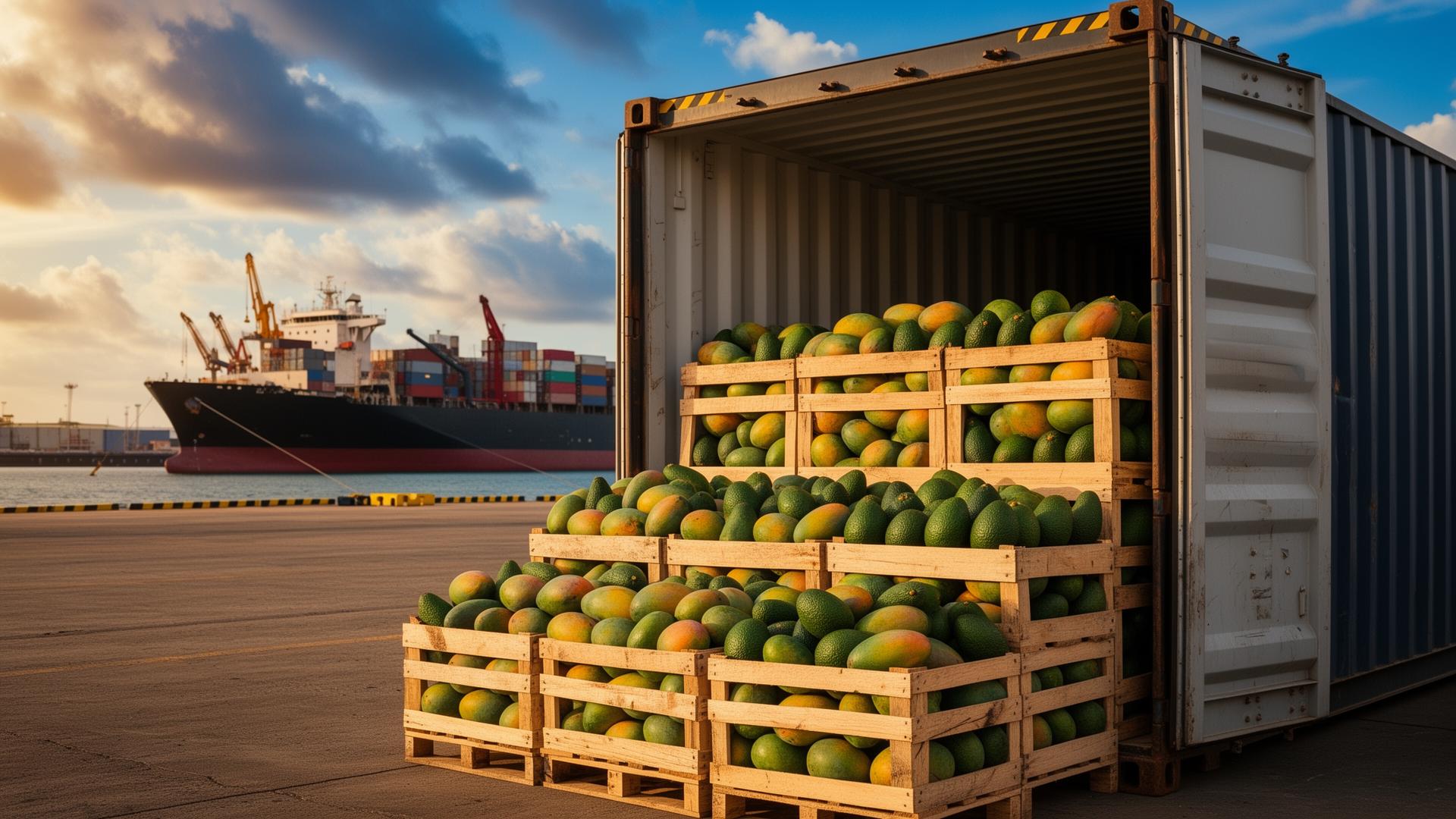
Protecting Air Cargo.
Through Hot Ground Handling.
Test an added layer of protection for cut flowers and premium produce exposed to airport heat, customs delays, and dry cargo conditions.
Air speed is useless if ground handling fails.
Air cargo is the chosen pipeline for ultra-perishables like cut flowers and premium fresh vegetables. Exporters pay huge premiums for speed to preserve freshness, but runway speed does not guarantee cold chain integrity.
One critical risk is airport heat exposure. During loading, customs staging, and pallet transfers, fresh exports may sit on hot concrete under direct sun with limited active cooling.
Once in flight, low-humidity cargo conditions can accelerate moisture loss. The right pilot should measure where quality is lost and whether treatment changes that outcome.
Direct sun during loading and staging can increase respiration, wilting, and moisture loss.
Low-humidity cabin environments draw moisture out of leaves and skin rapidly.
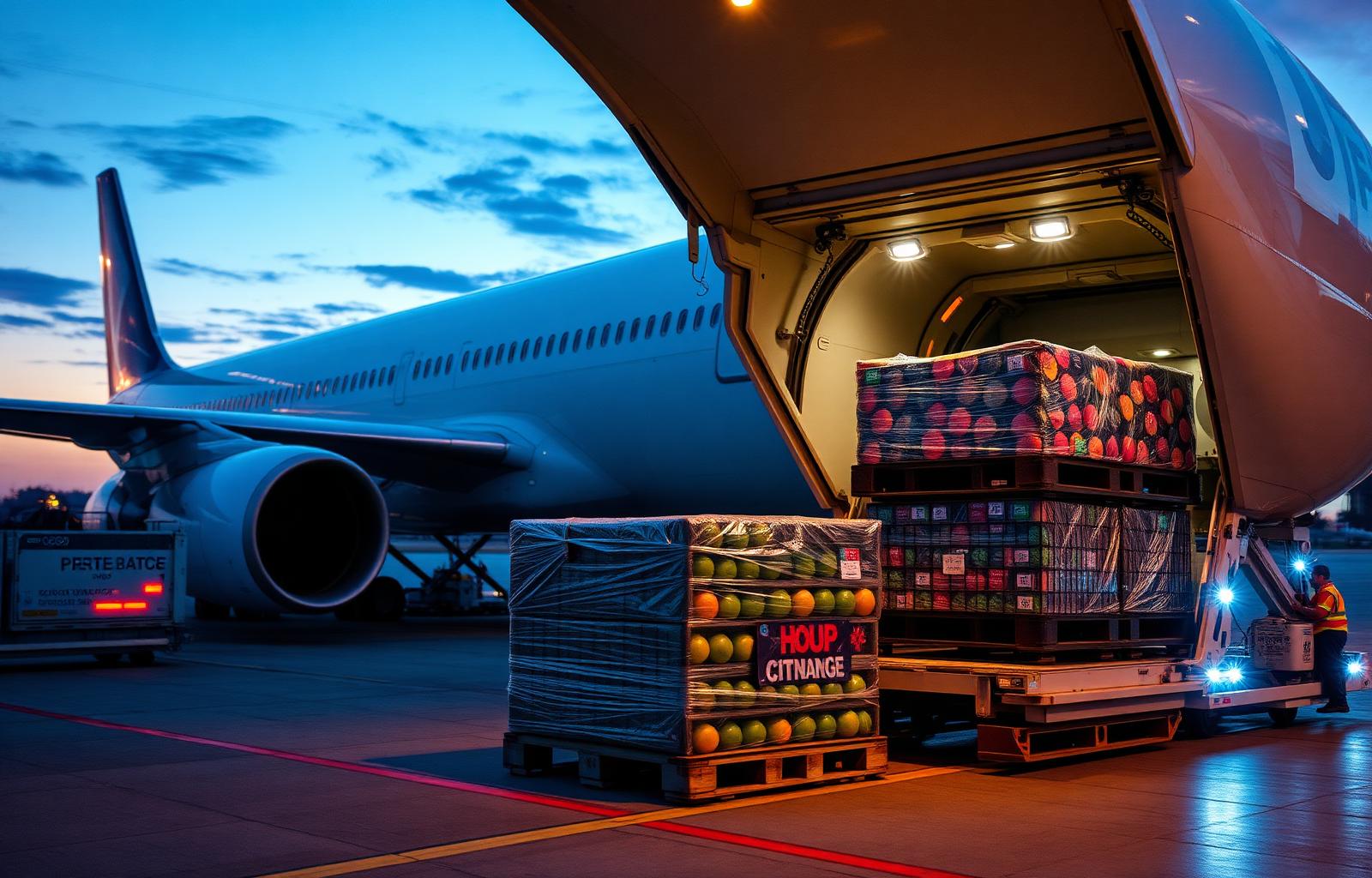
Airport delays and inspections disrupt cold storage, exposing produce to ambient heat.
A crop protection pilot for high-value flights.
Everype TAEC is designed as a breathable plant-based coating on the crop surface. Export pilots should test whether it can reduce moisture stress and surface decay during airport transfers, flight delays, and destination handling.
Heat Exposure
Measures quality changes after warm loading, staging, and lane-specific temperature profiles.
Moisture Stress
Tracks weight, firmness, turgor, and visible dehydration against untreated controls.
Arrival Quality
Compares buyer-facing quality, defects, and usable sales window at destination.
Flights are fast. The ground journey still matters.
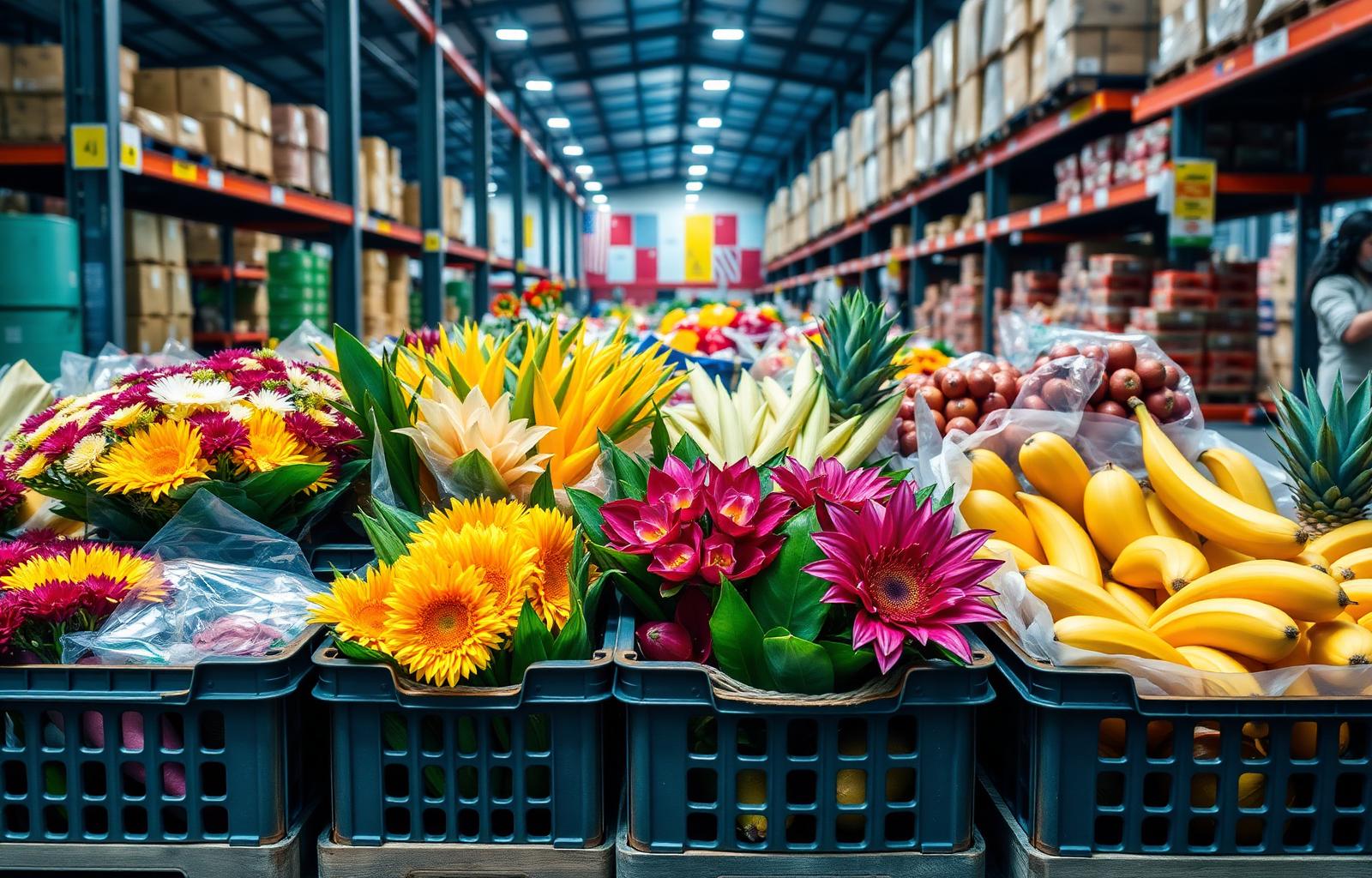
Stems cut in Naivasha and fresh produce packed across East Africa often depend on air transit to reach European and Middle Eastern retail hubs. Flowers are a major use case, but the same heat and dehydration questions matter for premium fruit and vegetables.
A strong exporter pilot should measure where quality drops, how treatment compares to untreated controls, and whether the result is meaningful enough for commercial lanes.
What an export pilot should measure.
| Crop Category | Transit Risk | Measured Outcome | Status |
|---|---|---|---|
| Cut Flowers | Warm loading + dry cargo air | Turgor, petal quality, vase life | Partner pilot |
| Avocados | Airport staging + destination display | Ripening, weight loss, skin spotting | Planned |
| Papaya | Softening + surface mold | Firmness, decay, sensory quality | Scoping |
| Fresh Vegetables | Moisture stress + handling delays | Weight, firmness, buyer acceptance | Scoping |
Run a cleaner lane test before scaling.
Flight carrier logistics and customs controls are often outside your direct influence. Applying Everype TAEC at the packhouse gives partners a controlled way to test whether treatment improves quality through airport delays, flight layovers, and warm ground exposure.
The right pilot compares treated and untreated lots, records temperature exposure, documents buyer feedback, and only then decides whether the economics justify broader rollout.
What we need to prove together.
Temperature exposure
Log real lane temperatures from packhouse to arrival so quality results have context.
Buyer-facing quality
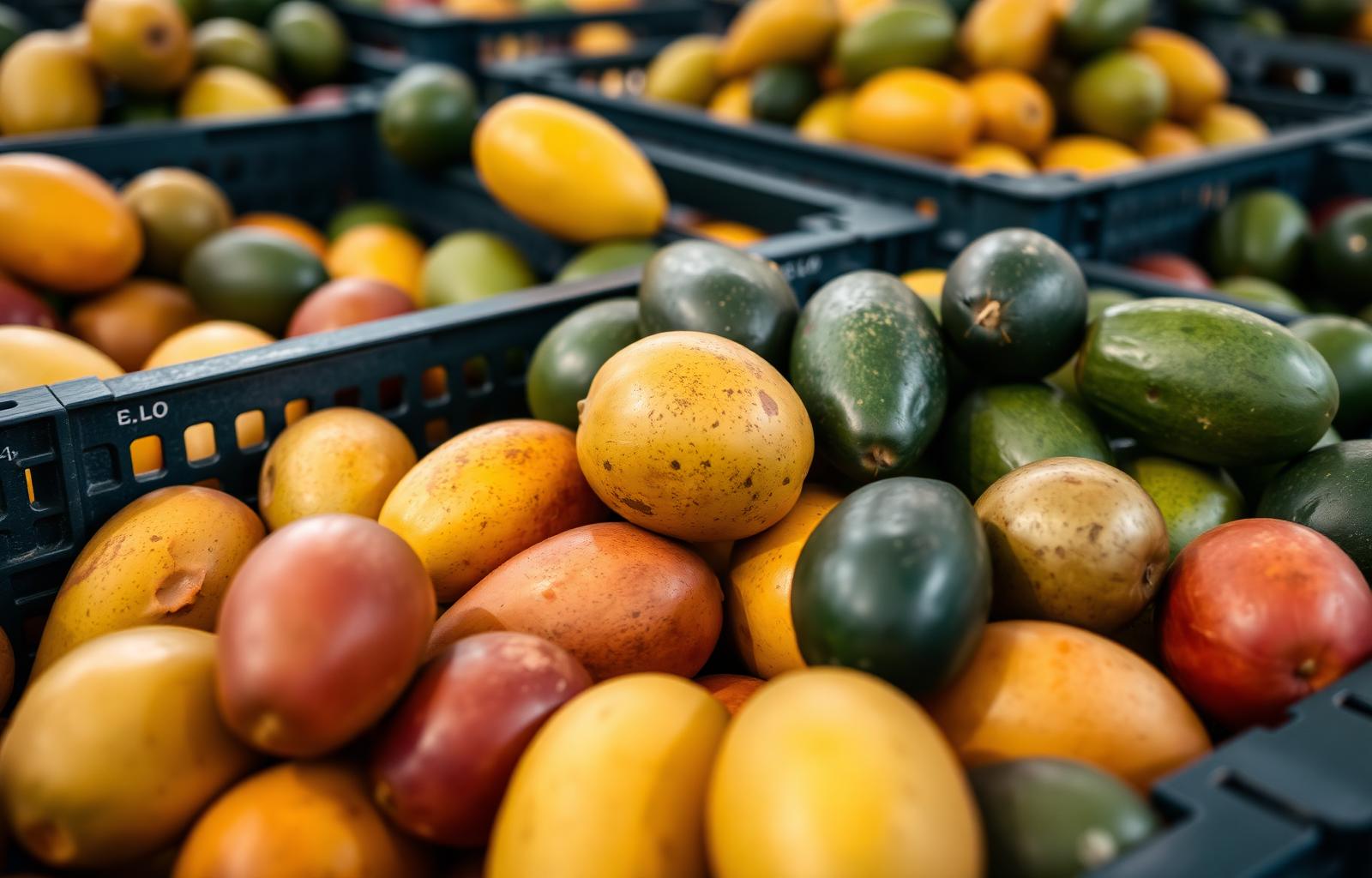
Compare defects, firmness, turgor, ripening, and usable sales window against untreated controls.